

How to Get a Category A1 Driving Licence
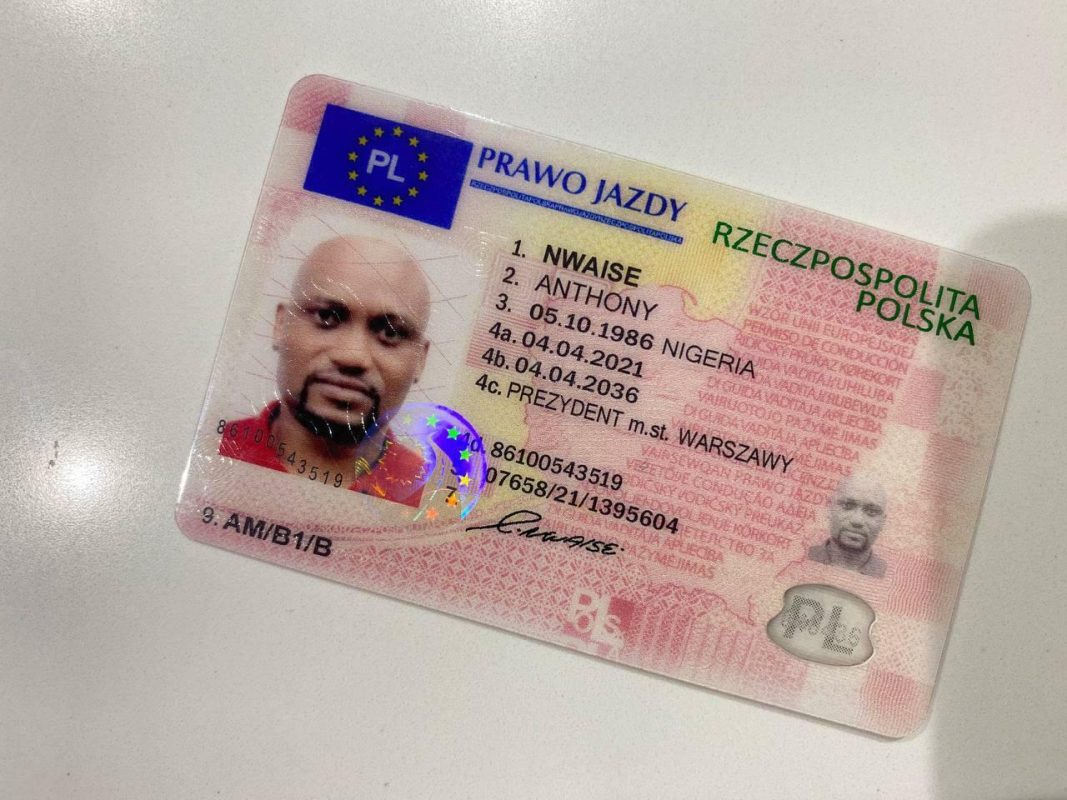
The Category A1 license allows people to drive small motorcycles without a sidecar. The size of the cylinder must be less than or equal to 125 cubic centimeters and its power must not exceed 11 kW.
The license permits you to drive motor vehicles and trailer combinations with a maximum mass of 8,250kg. The categories of vehicles that you are allowed to drive will depend on the time you passed the test.
Motorbikes
The first step in obtaining an official motorbike licence is to pass a driver's test of category A1. The license is valid for two years and entitles you to operate motorcycles up to 125cc with a maximum power of 11kW. This includes mopeds, trials escooters and motorcross bikes. Before jazda motocyklem can sit for the test, you must also complete training with a qualified instructor. The number of hours you must train is contingent on the level of your experience and progress.
After completing the training, you are ready to take your driving test for category A1. The test is split into a practical and a theory test. The theory test is based on road rules and regulations and you will be asked questions regarding them. The test for practical is split into two sections. Module one and module 2. These are the names of these modules. The test is comprised of two parts: a riding exercise and a walk around.
In addition to passing the theory and practical tests, you must also have a valid CBT certificate. You can also get additional training after completing your CBT to increase your riding abilities and boost your confidence. This can help you save on insurance costs.
It's a great method to get started in the world of motorbikes. It offers more instruction, higher access to riding and a longer valid period than CBT. It is a great choice for young drivers who want to becoming motorcyclists.
The steps required to get an A1 license vary from one country to the next, but they generally include passing the theory test, passing a practical test, and a CBT. After that, you'll be able to operate small motorbikes and scooters with or without a passenger. In some countries, you can even take a motorbike on an accompanying vehicle.
After passing your CBT and Theory tests, you can be granted an A1 license in the UK at the age of 17. You can then take a motorcycle or scooter up to 125cc with a maximum power of 11 kW. In the US you must pass a full motorbike test at the age of 19 to qualify for A2 license.
Tricycles
Category A1 driving licenses cover motor tricycles that have a power output of up to 15 kW. This is an excellent way to begin your journey into the world of motorcycling. You can also operate tractors for agricultural or forestry use, single-axle tractor and machines operated by pedestrians using handles.
After passing CBT, you are able to take a test in the field on a manual or automatic bike up to 125cc. This will give you an A1 licence, which is valid from the age of 17. If you are a full license holder, you will be allowed to ride larger motorbikes without the need to carry passengers or wear a helmet. You can also ride tricycles, quad bikes mopeds, and tricycles. You can also get an A2 license if you pass both the theory test and the motorcycle driving test.
The theory test for category A1 licenses consists of 50 multiple-choice questions and you must get at least 41 points out of 50 to pass. You can prepare for the test by taking a class at driving school or through online training materials. There are numerous websites that offer this kind of information however, you must remember that not all of them are all created equal. Some of them are not comprehensive and may contain mistakes that could affect your test.
After you have passed the theory and practical tests you can apply for a category A2 licence which permits you to operate motorcycles up to 35 kW and also allow you to drive any type of vehicle that has trailers that weigh more than 7,500kg, the maximum permissible mass. You must be at least 20 years old in order to have a category A2 licence and you must be accompanied by a passenger for the duration of the journeys.
You can also get a category A1 motorcycle licence if you are a driver with a disability. This permits you to drive tricycles as well as motorised invalid carriages that have a maximum power output of 30 kW. You will be able to drive these vehicles only if you are a holder of a temporary Category B car licence, or a category A motorcycle licence for a time of two years. You must pass both the CBT and category A1 provisional entitlement to get a motor tricycle licence.
Sidecar combinations
The driver's licence is comprised of two components -- the plastic photo card and the counterpart. The first one displays the cardholder's photo, address, signature, and driving rights. The second one contains the serial number of the licence, the description of it, and a list of EU and national codes. It also contains penalty points and licence validity dates of drivers over 70 years old.
The Norwegian licence code 'A1’ allows the holder of that license to drive on a motorcycle equipped with a sidecar. This license is valid only when the driver is accompanied by an experienced and licensed driver. The vehicle must be of the same type as the one being driven, and the driver must have passed a practical test to be able to get this license. The person who holds the licence must also complete first-aid training and pass an eye test.
The licence is issued as a laminated card, similar to the European driving license card in terms of dimensions and appearance. It includes the bearer's photograph, name (in Latin or Cyrillic) and the date/place of issue. On the reverse side of the license the complete list of categories is printed. The new design is in line with the Vienna Convention on Road Traffic and is valid in all of its signatory countries. Older licenses that are based on booklets or credit cards can still be seen from time to time however they are becoming increasingly uncommon due to the introduction of the new model.
If the type D1 or D5 licence was obtained before the 1st December 1954 (before the 1st of October, 1960 in Saarland) the holder is able to drive the category A. If a licence of type D2 or D3 was obtained before 31 December 1999, it will entitle the holder to category A1 in addition to categories B and C.
All driving licenses in Norway have text preprinted in either the Norwegian language 'bokmal' or 'nynorsk', depending on the country of issue. The state recognizes that the different forms of Norwegian have equal status. The word 'bokmal signifies that the text was written in bokmal. The Norwegian driving license also contains an option for those who have poor vision. It states they must wear an eyeglass when driving.
Trailers
A category A1 licence allows you to drive a motor vehicle that can tow a trailer that weighs up to 750kg. This category includes vehicles not covered by any other category, like electric vehicles. You can also use the category A licence to drive motorbikes that have engines up to 125cc, and a maximum power output of 11kW. You need a category B license if you want to drive an vehicle with a trailer that weighs more than 750kg.
A vehicle with an authorised maximum mass that exceeds 500kg has to be driven on an additional licence, category E. The trailer and vehicle must be driven by a driver with an appropriate licence for the category or for category D in the case of a bus. The driver must be at least 21 years old and have held an category B licence for a minimum of two years.
You must have a category-C licence to drive an automobile that has an unloaded trailer that weighs more than 750kg. This includes vans, trucks and other vehicles used to transport goods. However it does not cover passenger cars. This licence is valid three years. You must be able to pass the mandatory basic training and passed both a theoretical and practical test.
Class A licenses are required for drivers wanting to drive vehicles with a maximum of 10000gvw or trailers over 26000gvw. This type of license can be obtained in many states, and is intended for those who want to pull RVs.
Depending on your state, you might have to meet additional requirements to obtain a license. Some require you to pass an exam written, and others have different age restrictions for new drivers. You will also need to show proof of your health insurance and health insurance. You should always have your driving license on the road, regardless of where you reside. This is a good method to ensure that you're not arrested by police for any reason and it can help keep your car and passengers safe.